





 Need help?
BBQ Science: The Beginner’s Guide to Easy Grilling

There’s a reason barbecuing can feel strangely high stakes.
The heat is harder to read than a kitchen hob; everyone seems to have an opinion; and the second the food hits the grill, it can feel like you’re already behind.
But learning how to barbecue properly is about understanding a few basics: heat, timing, spacing, and knowing what your food needs before it goes anywhere near the grill.
Get those right, and everything becomes easier.
This guide covers the full beginner’s picture, from how to barbeque safely and manage heat, to how to barbecue salmon in foil, halloumi, sirloin steak, and sweetcorn without drying them out or burning them on the outside. We’ll also explain the science behind better grilling, because once you know why things work, you’re much less likely to ruin dinner.
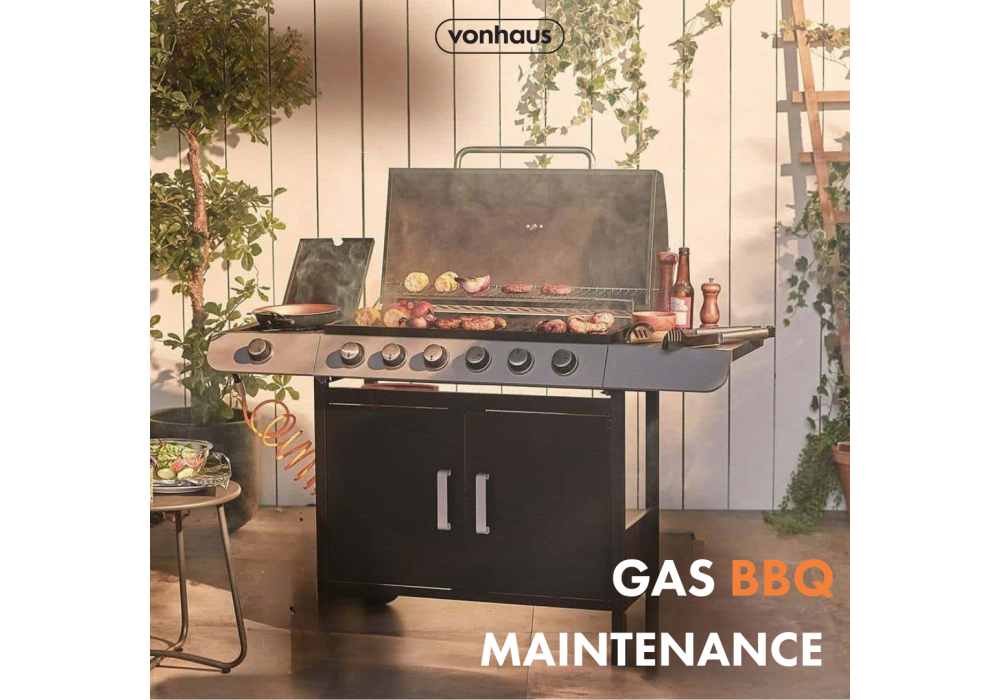
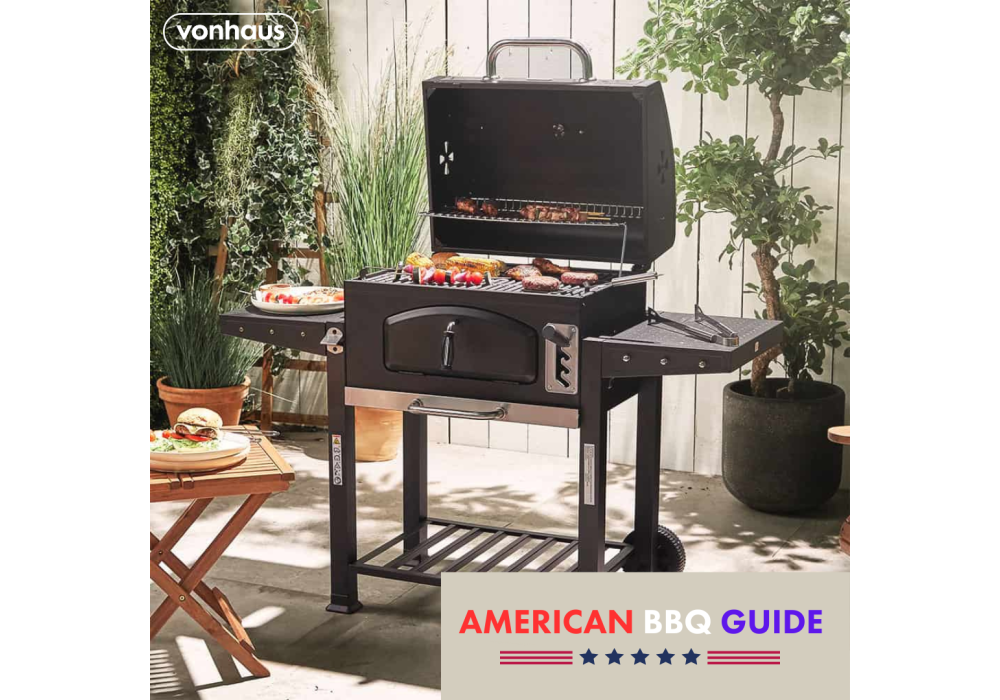
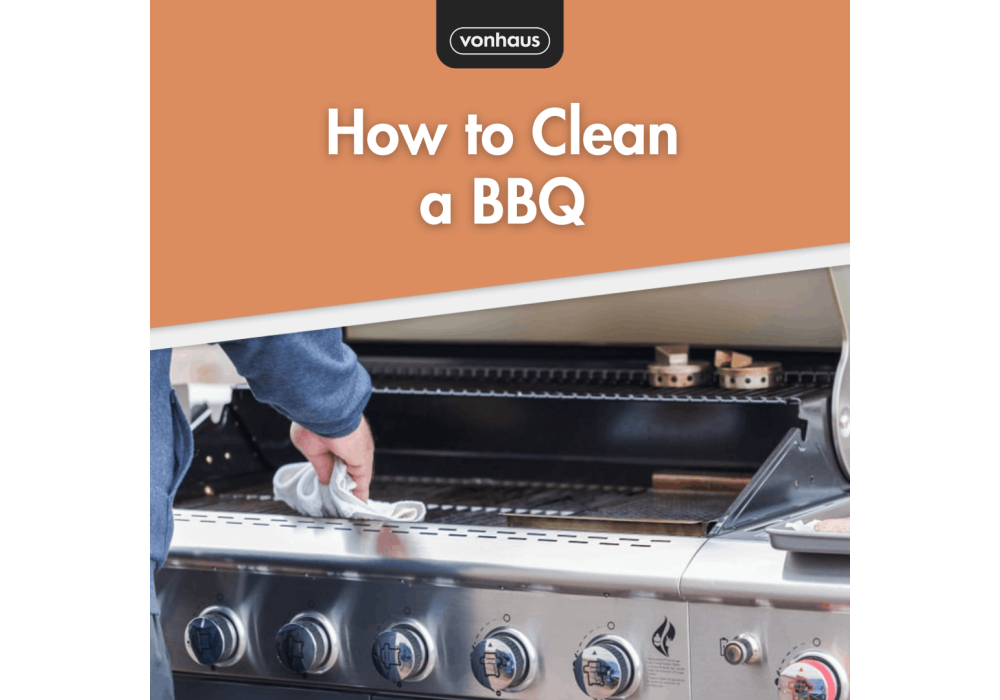
If you’re still setting up, our BBQ guides are worth reading alongside this one:
Start Here: How to Barbecue Right
Good barbecue food starts before the cooking does.
You need three things in place: a properly preheated grill, food that’s prepped for the heat it’s about to face, and a cooking setup that gives you some control. A barbecue isn’t just ‘hot’ or ‘not hot.’ The best results come when you create zones: one hotter area for searing and one cooler area for gentler cooking or holding food once it’s nearly done.
For charcoal grills, this means banking coals more heavily on one side. For gas BBQs, it means using different burners at different intensities. Either way, you’re building flexibility into the grill before the food arrives.
A quick preheat matters too. A cold or lukewarm grill is where sticking starts. Give it time to heat through, then clean and lightly oil the grates. The goal is a surface that’s hot enough to sear, but not so fierce that everything blackens before it cooks.
The Science of Searing

Let’s clear one thing up: searing does not ‘lock in juices.’
What searing does do is create flavour. When food hits a properly hot grill, the proteins and sugars on the surface begin to brown. That browning, known as the Maillard reaction, creates the savoury, roasted, slightly smoky flavours people associate with good barbecue food.
So, if you’re wondering why a steak cooked over proper direct heat tastes so much better than one that just went grey and steamed, that’s why.
The trick is knowing when to sear and when to move food away from the fiercest heat. Thin foods like halloumi or burgers benefit from a quick sear and short cook. Thicker cuts, like sirloin steak or bone-in chicken, often need a combination of direct and indirect heat.
Preheat and Prep: The Part That Prevents Most Mistakes
A lot of beginner BBQ problems come from rushing.
The grill isn’t fully heated; the meat has just come out of the fridge; the sweetcorn is still dripping wet from being rinsed.
A few small prep steps make a huge difference:
- Let thicker cuts sit out for a short while before grilling so they lose some of their fridge chill.
- Pat food dry before it goes on the grill. Moisture slows browning.
- Oil the food lightly rather than flooding the grates.
- Season just before cooking, especially with steaks and vegetables.
- Have a tray or board ready for cooked food so you’re not improvising with oven gloves and paper plates.
This is also where good tools help. A pair of proper tongs, a grill brush, skewers, and a thermometer remove a lot of unnecessary stress.
If you’re building your BBQ setup, Vonhaus BBQ tool sets make the whole process smoother.
How to Barbecue Salmon in Foil

Salmon is one of the easiest things to cook well on a BBQ – if you use foil.
Foil protects the fish from sticking, holds in moisture, and gives you a gentler cooking environment than direct contact with the grates. It also means you can add flavour at the same time: lemon slices, herbs, garlic butter, chilli, or a little honey and soy all work beautifully.
To barbecue salmon in foil:
- Lay the salmon skin-side down on a sheet of foil.
- Add seasoning, aromatics, and a little fat or liquid.
- Fold the foil into a sealed parcel.
- Cook over medium heat, not the hottest part of the grill.
You’re looking for the fish to turn opaque and flake easily. If it still looks glossy and translucent in the centre, it needs longer. If white protein is pouring out and it’s splitting aggressively, it’s gone too far.
How to Barbecue Halloumi
Halloumi is beginner-friendly, but only if you treat it like what it is: a firm cheese, not a piece of meat. It cooks quickly, browns fast, and goes rubbery if left too long. The best results come from thick slices, a hot grill, and short cooking time.
To barbecue halloumi:
- Slice it thickly enough that it won’t fall apart.
- Pat it dry.
- Brush lightly with oil.
- Grill over medium-high heat for a minute or two per side.
You’re aiming for golden grill marks and a softened middle here, not toughness.
Halloumi also works brilliantly on skewers with peppers, courgette, or red onion if you want something a bit more substantial. It’s one of those foods that makes people hover near the barbecue and say they’re ‘just checking on it’ while quietly helping themselves.
How to Barbecue Sirloin Steak
A good steak needs a hot surface for browning, but it also needs enough control that you don’t overshoot the middle while chasing a crust.
To barbecue sirloin steak:
- Bring it closer to room temperature before cooking.
- Pat dry and season well.
- Sear over high heat.
- Move to a cooler zone if it needs more time.
- Rest it before slicing.
That last point matters. Resting gives the juices time to redistribute and stops them spilling out onto the board the second you cut it.
Steak Temperature
For best results, use a meat thermometer:
|
Steak |
Internal Temp |
|
Rare |
50–52°C |
|
Medium Rare |
54–57°C |
|
Medium |
60–63°C |
|
Medium Well |
65–68°C |
|
Well Done |
70°C+ |
How to Barbecue Sweetcorn

Sweetcorn is simple, but there are two main ways of cooking it depending on what you want.
If you want a softer, juicier finish, keep the husks on (if they’re still attached) or wrap the corn in foil. If you want more char and smokiness, cook it directly on the grill and turn it regularly.
To barbecue sweet corn:
- Brush lightly with oil or butter.
- Cook over medium heat.
- Turn every few minutes until tender and lightly charred.
Then finish however you like: butter and salt for the purists, chilli and lime for something brighter, or parmesan and paprika for a rich, cheesy taste.
BBQ Timings by Food Type
Timing varies depending on thickness, temperature, and grill intensity, so no chart replaces paying attention. But this gives you a practical starting point:
|
Food |
Heat |
Cooking Time (approx.) |
|
Halloumi slices |
Medium-high |
1–2 mins per side |
|
Salmon in foil |
Medium |
10–15 mins |
|
Sirloin steak |
High, then medium |
2–4 mins, turning often |
|
Sweetcorn |
Medium |
10–15 mins, turning often |
|
Burgers |
Medium-high |
4–5 mins per side |
|
Sausages |
Medium |
12–15 mins, turning regulalry |
|
Chicken skewers |
Medium-high |
10–15 mins |
Bear in mind that not everything should go on at once. Barbecue food works best when staggered, so put fast-cooking items on later and give slower cooking food (e.g. sausages, sweetcorn) a head start.
How to Barbecue Safely
A few basics matter every time. Lock these in, and you’ll always BBQ safely:
- Keep raw and cooked food separate.
- Use different utensils or clean them properly.
- Never leave a lit barbecue unattended.
- Keep children and pets away from the cooking area.
- Make sure the barbecue is stable and on level ground.
- Don’t use petrol or other accelerants to light charcoal.
- Cook meat thoroughly, especially chicken and pork.
Temperature matters here as much for safety as for quality. A thermometer isn’t just for steak obsessives. It’s one of the easiest ways to avoid undercooked food and overcooked panic.
Must-Have BBQ Tools
You don’t need a garden kitchen and a 14-piece apron set. But a few tools do make barbecuing easier:
- Tongs for turning without piercing
- A spatula for burgers and delicate foods
- A grill brush for cleaning
- Skewers for vegetables, halloumi, and kebabs
- A thermometer for accuracy
- Heat-resistant gloves if you’re working with charcoal
These are the things that reduce dropped food, burnt fingers, and unnecessary guesswork. If you’re stocking up, the Vonhaus BBQ tool sets range covers all the essentials without overcomplicating things.
Once you know how to manage direct and indirect heat, when to sear, and when to slow things down, the whole thing becomes much more enjoyable. You stop second-guessing and start cooking with more confidence. And the food gets better very quickly.