





 Need help?
How to grow basil
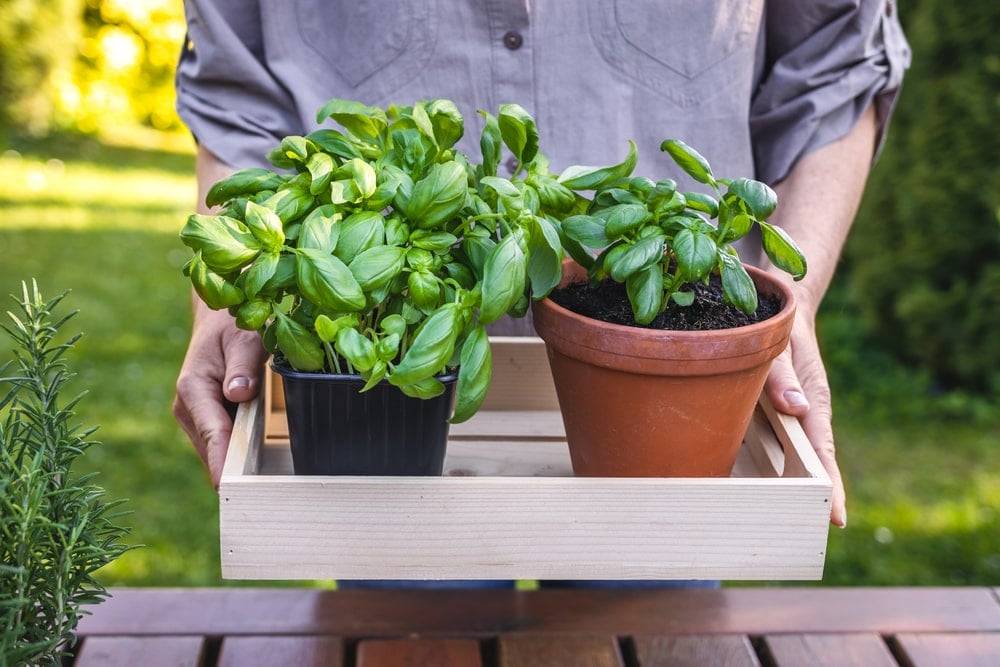
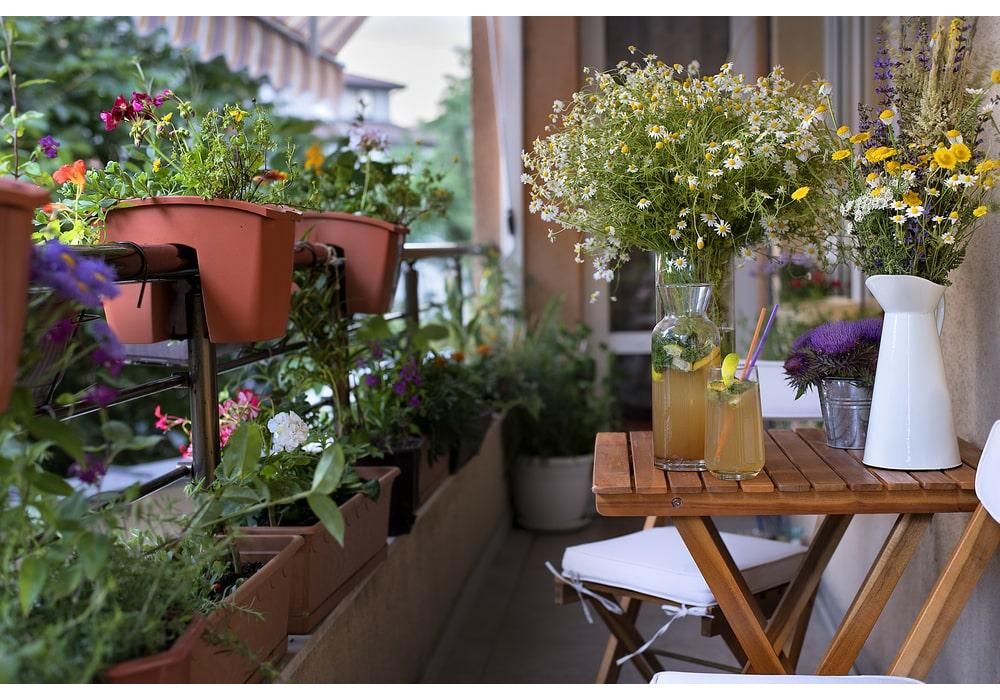
Indulge in the sweet, peppery aroma of basil – a herb that exudes pure aromatic goodness! But wait, it gets even better – picture having your very own flourishing basil garden, ready to grace your dishes with its tantalising flavours!
In this comprehensive guide, we'll take you on a journey of basil growing, covering everything from sowing seeds to post-planting care. Get ready for answers to all your burning questions: Can basil thrive outside? How much water does it crave? Does it make a glorious comeback year after year?
So, without further ado, let's roll up our sleeves and get growing!
Choosing basil to grow from seed
You'll be spoilt for choice when selecting from the delightful array of basil varieties available. Let's explore some of the most popular types:
Genovese Basil
Genovese Basil, often referred to as the "true" Italian basil, is a culinary superstar. It boasts large, lush leaves with an intense aroma and a robust, sweet flavour. This variety is a staple in Italian cuisine, making it an excellent choice for homemade sauces, pasta dishes, and as a key ingredient in traditional pesto recipes.
Thai Basil
Thai Basil is known for its vibrant and distinct flavour profile. It has small, pointed leaves with a hint of liquorice and a spicy kick. Its aromatic, exotic essence makes it an essential ingredient in Thai, Vietnamese, and other Southeast Asian cuisines. Thai Basil adds tantalising flavours to stir-fries, curries, and noodle dishes.
Purple Basil
Purple Basil, with its eye-catching deep purple leaves, will add a vibrant pop of colour to your herb garden. It tastes similar to Sweet Basil but with subtle variations. This basil variety brings aesthetic appeal to your dishes and adds a mild, spicy taste. Purple Basil is used in salads, as a garnish, or to infuse oils and vinegar.
Each type of basil has its own distinct characteristics, allowing you to explore different flavours and experiment with various culinary creations.
Consider your tastes and the dishes you plan to make when choosing the perfect basil varieties for your garden or kitchen.
Sowing basil seeds
You can start growing basil from seeds indoors or in the garden, depending on the climate and the time of year.
If starting indoors, fill seed trays or small pots with seed-starting mix. Sow the seeds about ¼ inch deep and cover them lightly with soil. Place the trays in a warm location with good sunlight or use grow lights.
Caring for basil seedlings

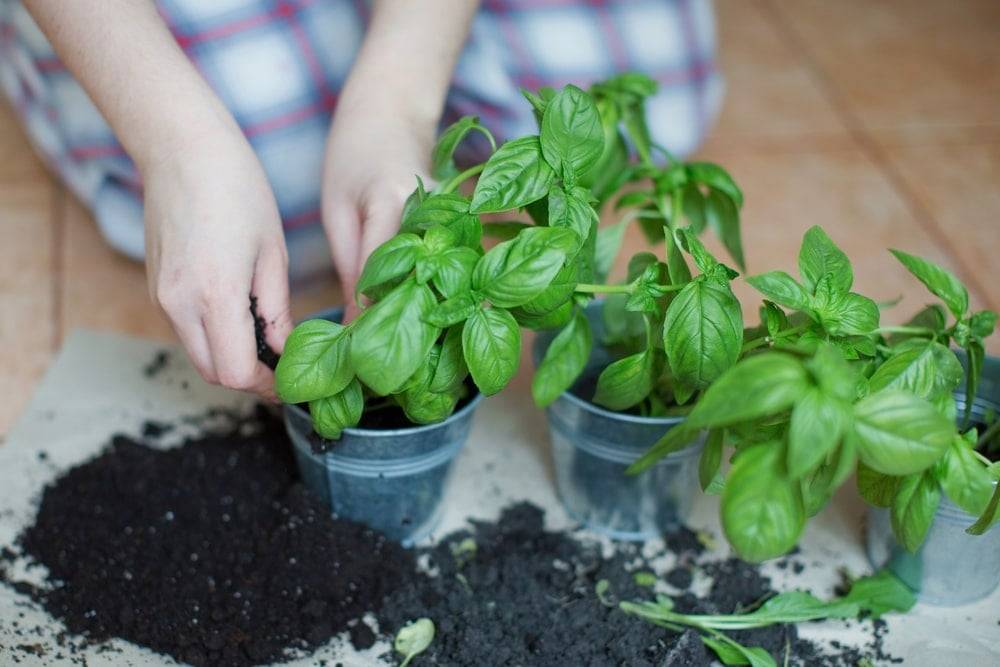
Keep the soil consistently moist but not waterlogged. Basil seedlings require warmth, ideally between 21-27°C.
As the seedlings emerge, thin them out, leaving the strongest ones to grow. After a few weeks, when the seedlings have developed their first set of true leaves, you can transplant them into larger pots or the garden.
Growing basil indoors


Basil can thrive indoors if provided with adequate light.
Place your potted basil near a south-facing window where it gets at least six hours of direct sunlight per day. Alternatively, you can use fluorescent grow lights to supplement natural light.
Rotate the pots regularly to ensure even growth.
Planting basil outdoors
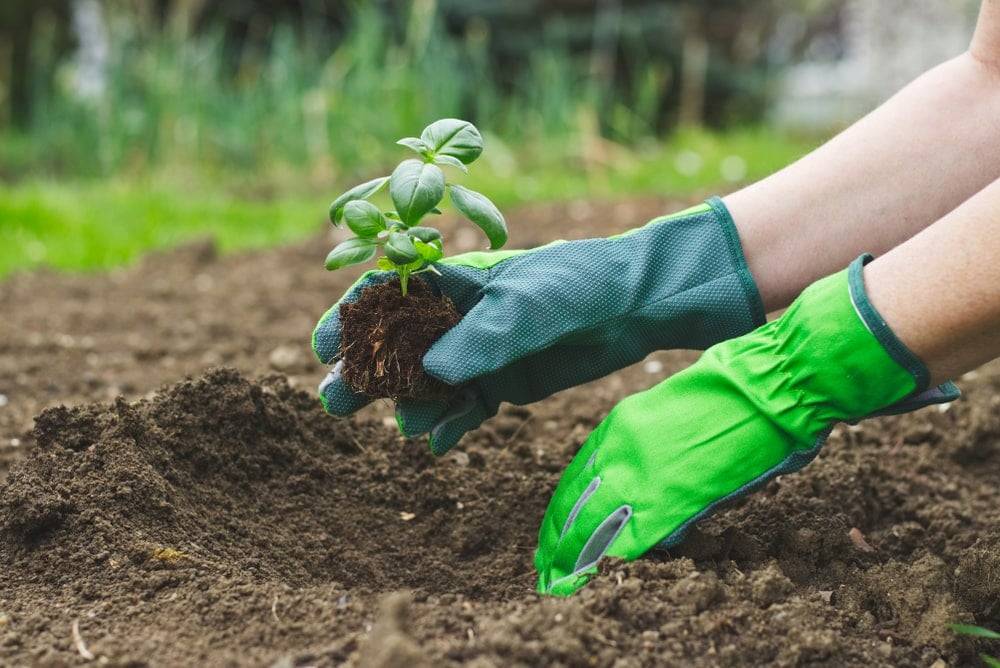

If you choose to grow basil outdoors, wait until after the last frost date in your area. Basil loves warm soil and air temperatures, ideally between 21-27°C.
Select a sunny spot in your garden with well-draining soil. Prepare the soil by removing weeds and loosening it with a garden fork.
Plant the basil seedlings about 12-18 inches apart to allow ample room for growth.
Watering basil
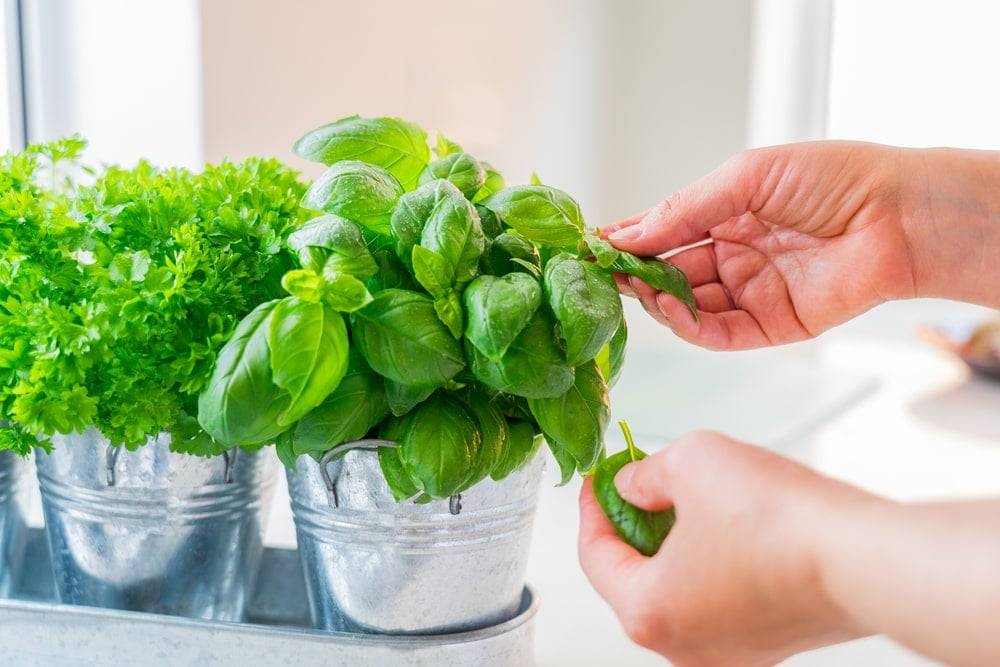
Basil plants prefer moist soil, but they don't like to sit in waterlogged conditions. Water your basil deeply whenever the top inch of the soil feels dry but avoid overhead watering to prevent leaf diseases. Instead, water at the base of the plant to keep the foliage dry. Mulching around the plants can help retain moisture and suppress weed growth.
Basil care and maitenance

Pinch off the flowers that appear on basil plants to promote healthy growth and prevent premature bolting (going to seed).
Regularly harvest the leaves, starting with the topmost ones, to encourage continued growth and ensure you always have a fresh supply.
Basil is a great companion plant for tomatoes and peppers, as it can help repel pests.
Basil propagation

If you want to propagate basil, you can do so by taking stem cuttings.
Select a healthy stem, remove the lower leaves, and place the cutting in a glass of water – after a couple of weeks, roots will develop.
Once the roots are around an inch long, transplant the cutting into a pot filled with well-draining soil.
Basil FAQs
Growing basil: Your questions answered
Congratulations, you’re now a certified basil grower! But if you’re still itching for more info, check out our basil FAQs below.
How long does basil take to grow?
Basil is a fast-growing herb. From the time of sowing the seeds, basil seedlings typically emerge within 5 to 10 days. With proper care and favourable growing conditions, you can expect basil plants to reach maturity and be ready for harvest within 6 to 8 weeks.
Does basil grow back every year?
Basil is an annual herb, meaning it completes its life cycle within a single growing season. However, in warmer climates or when grown indoors, basil may behave as a perennial, regrowing and continuing to produce leaves for multiple years.
Can I grow basil outside?
Yes, you can grow basil outdoors in various climates. It thrives in warm weather and requires ample sunlight, ideally 6 to 8 hours of direct sunlight per day.
If you live in an area with a short growing season, it's best to start basil seeds indoors before transplanting them outside after the threat of frost has passed.
How much water does basil need?
Basil prefers consistently moist soil, but it's important to avoid overwatering. Water your basil plants whenever the top inch of soil feels dry. Aim to keep the soil evenly moist, but not waterlogged, as excessive moisture can lead to root rot and other issues. Providing about 1 inch of water per week, either through rainfall or manual watering, is a general guideline for basil care.
What temperature do basil seedlings require?
Basil seedlings thrive in warm temperatures, ideally between 21-27°C (70-80°F). This warmth promotes optimal germination and healthy growth.
It's important to ensure the ambient temperature remains within this range, as colder temperatures can slow down the growth of basil seedlings.
Is basil a perennial?
While basil is typically grown as an annual, it can behave as a perennial in warmer climates. But in cooler regions, it's best to plant fresh basil each year. However, if you have potted basil indoors, you can extend its life by providing the right conditions, including adequate light, warmth, and care.
Congratulations, budding basil gardener! Now that you've mastered the art of growing basil, prepare to be rewarded with an abundant supply of fragrant leaves that will elevate your culinary creations to new heights.
But why stop here? There's a vast world of basil varieties waiting for you to explore their unique flavours and fragrances. From delightful Thai Basil to striking Purple Basil, let your taste buds embark on an adventure of discovery. So, as you savour the delights of homegrown basil, remember that the journey doesn't end here. Continue to experiment, savour, and relish the magic of this incredible herb in your cooking – the possibilities are endless!
Happy basil growing, and bon appétit!