







 Need help?
Which Is Better: Corded or Cordless Hedge Trimmers?
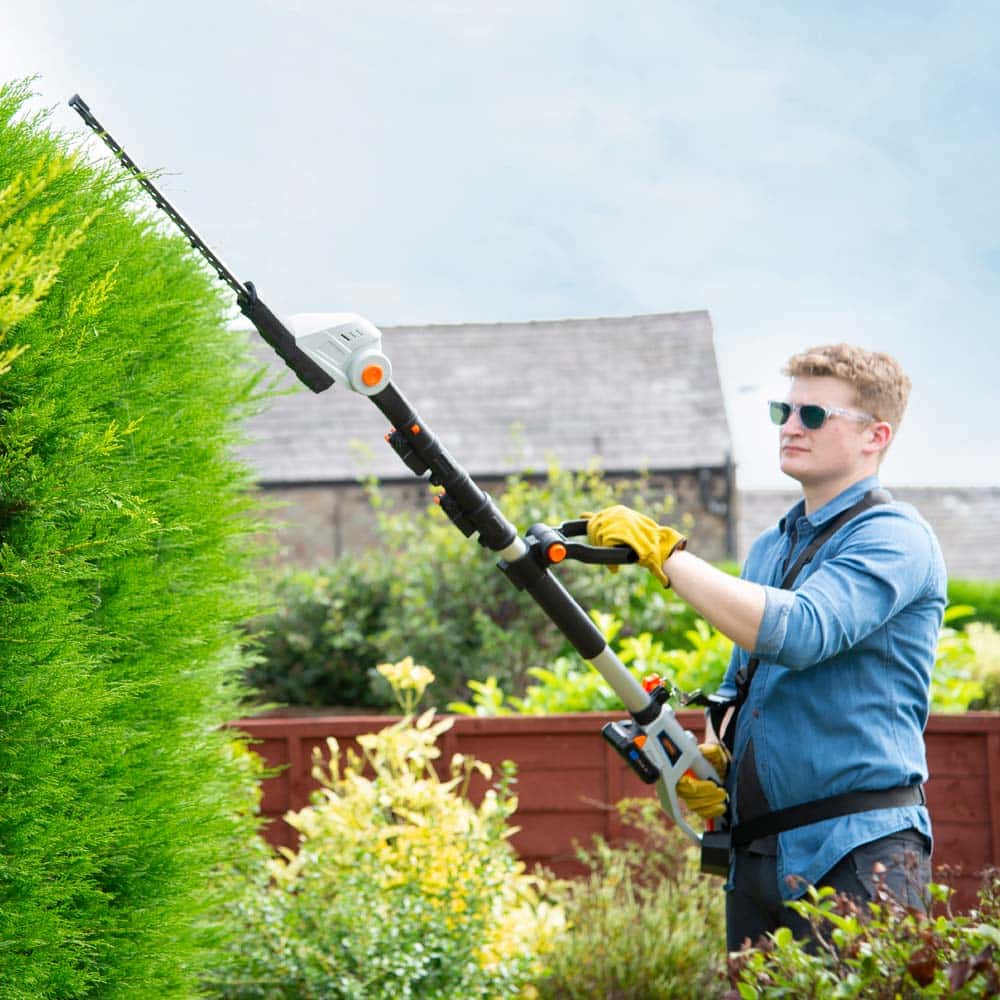
Contents
- The short answer (for most UK gardens)
- Corded hedge trimmers: reliable, consistent, no surprises
- Cordless hedge trimmers: freedom that changes how the job feels
- Corded vs cordless hedge trimmers: real-world comparison
- Are cordless hedge trimmers powerful enough for UK hedges?
- Safety and maintenance: what actually matters
- So, which hedge trimmer should you choose?
- Final word
If you’re choosing between a corded or cordless hedge trimmer, you’re in the right place. Both tools can produce professional-looking results, but the best option depends far more on how your garden is laid out than the spec sheet.
In UK gardens especially, factors like hedge position, boundary length, access to outdoor sockets, and how often you trim all play a bigger role than raw power alone. This guide breaks down the real-world differences between corded and cordless hedge trimmers, so you can choose the one that excels in your space.
The Short Answer (For Most UK Gardens)
There’s no universal winner, but there is a clearer pattern.
- Corded hedge trimmers suit smaller to medium gardens where hedges are close to the house and longer trimming sessions are common.
- Cordless hedge trimmers are better for larger gardens, boundary hedges, and anywhere freedom of movement matters more than unlimited runtime.
If you’ve ever had to stop mid-cut to untangle a cable – or drag an extension lead across the lawn – you’ll already know which side you lean toward.
Corded Hedge Trimmers: Reliable, Consistent, No Surprises
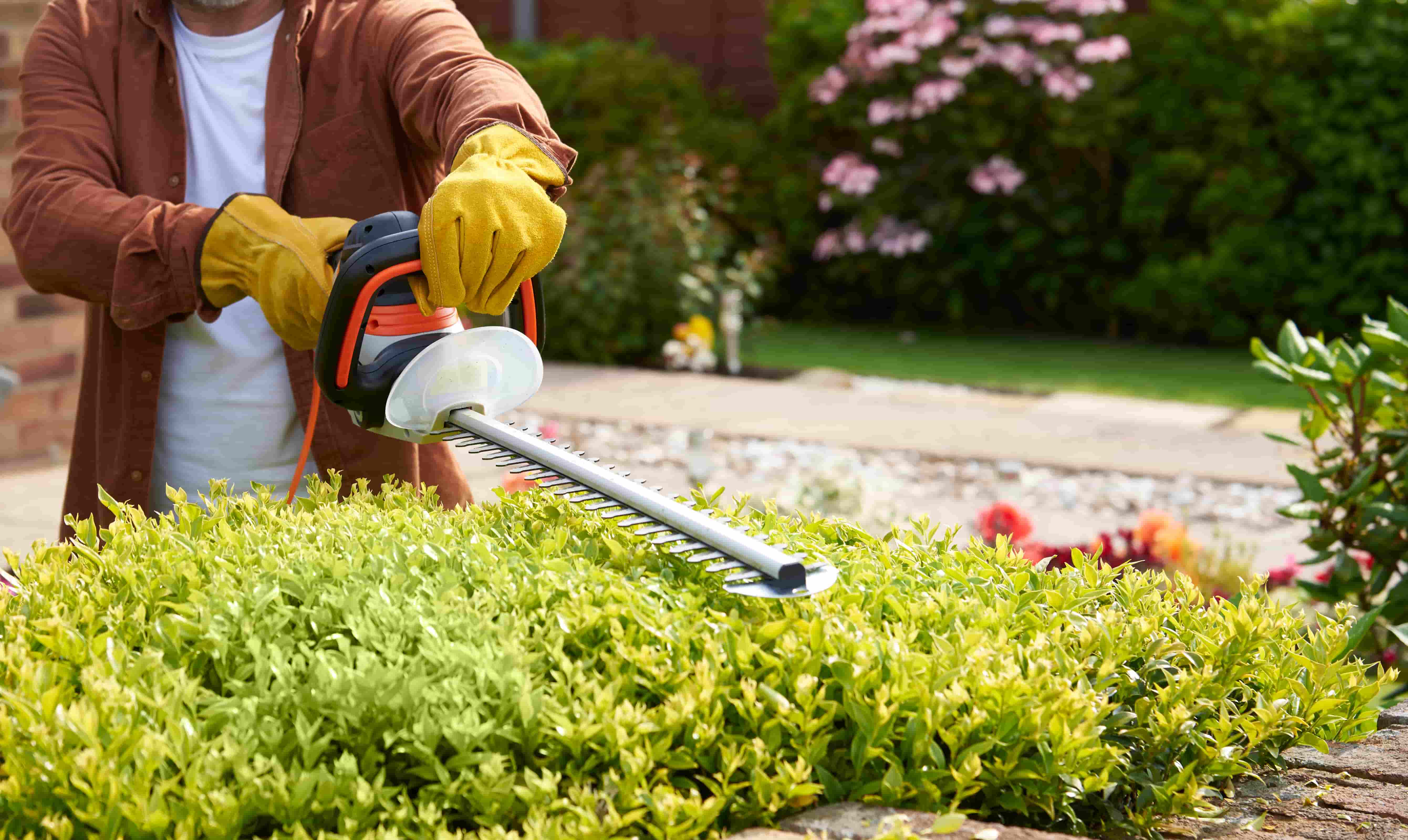
Corded hedge trimmers plug directly into the mains and deliver continuous, even power for as long as you’re cutting. There’s no battery to monitor and no performance drop-off halfway through the job.
That reliability is exactly why many gardeners still prefer them.
For hedges close to the house, corded models are straightforward to use and often feel lighter in the hands than cordless alternatives. Because there’s no battery weight, they can be easier to control during longer sessions, particularly when trimming horizontally along long runs.
The main compromise is awareness. Working safely means keeping track of the cable at all times, especially when cutting vertically or working along dense hedge lines. It’s manageable, but it does demand attention.
Corded hedge trimmers tend to suit gardeners who value consistency over flexibility.
Cordless Hedge Trimmers: Freedom That Changes How the Job Feels
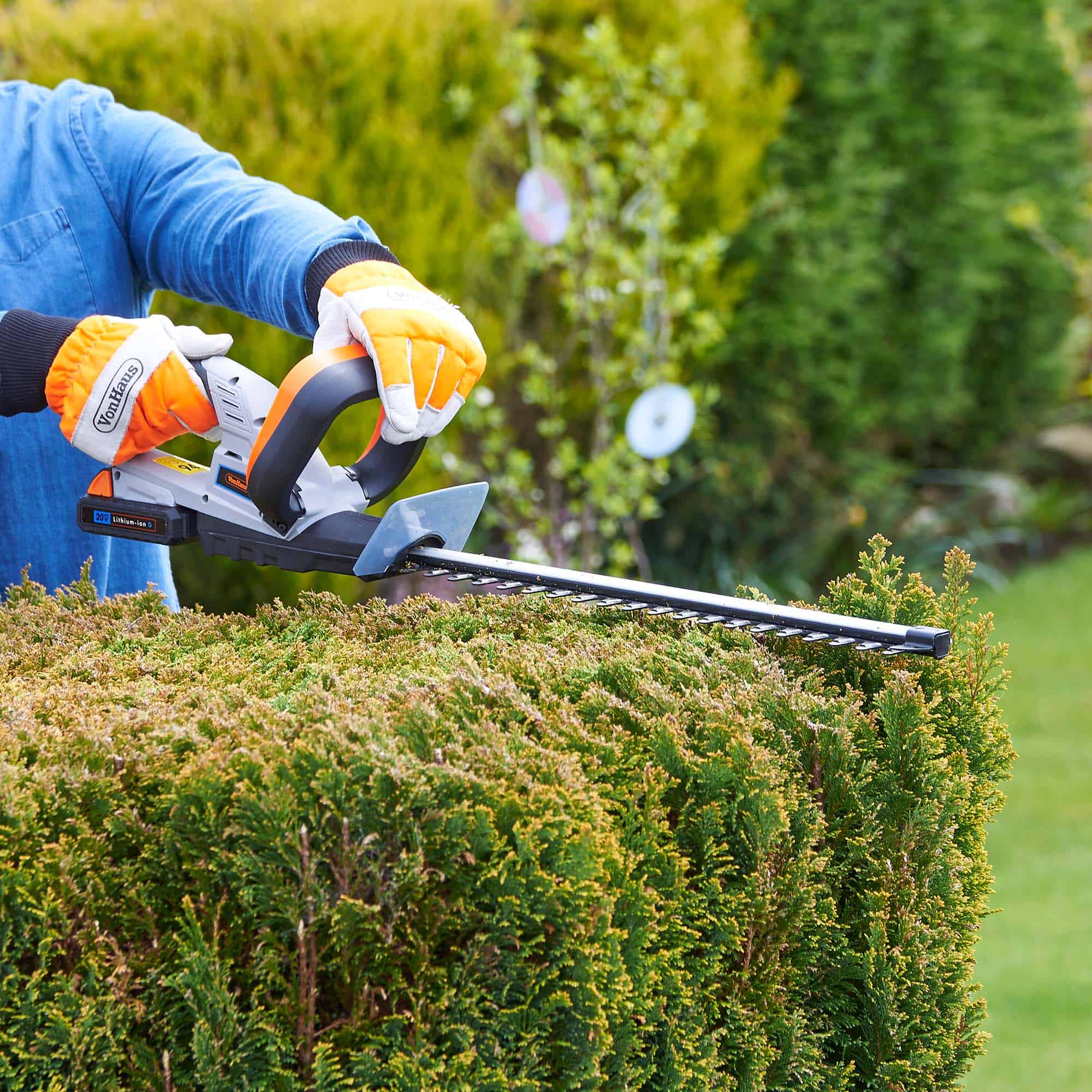
Cordless hedge trimmers remove the biggest mental and physical constraint: the cable.
Once you’re no longer thinking about socket reach or extension leads, hedge cutting becomes more fluid. This is especially noticeable in larger gardens, along fences, or where hedges sit at the far edge of the plot.
Modern lithium-ion batteries now deliver strong, stable cutting performance for typical domestic hedge thickness. For routine maintenance – keeping hedges tidy rather than reclaiming severely overgrown growth – cordless models are more than capable.
Runtime matters, but less than you might expect; most homeowners can comfortably trim their hedges on a single charge. And if you already use battery-powered garden tools, swapping batteries between tools can remove downtime entirely.
Cordless hedge trimmers suit gardeners who prioritise ease of movement and convenience.
Corded vs Cordless Hedge Trimmers: Real-World Comparison
|
Feature |
Corded |
Cordless |
|
Power delivery |
Continuous |
Strong, battery-dependent |
|
Movement |
Limited by cable |
Unrestricted |
|
Runtime |
Unlimited |
Finite (per charge) |
|
Weight |
Often lighter |
Heavier due to battery |
|
Setup |
Plug in |
Charge first |
|
Best suited to |
Smaller, closer hedges |
Larger or awkward spaces |
The key difference isn't performance, but how uninterrupted and natural the the job feels.
Are Cordless Hedge Trimmers Powerful Enough for UK Hedges?
For most gardens, yes.
Cordless hedge trimmers are designed around common UK hedge types – privet, box, beech, laurel, and mixed boundary hedges. For regular trimming and seasonal maintenance, they deliver clean cuts without strain.
Where corded models still hold an edge is in very dense, woody growth or long, uninterrupted cutting sessions where stopping would be frustrating. But for everyday use, the performance gap has narrowed significantly.
If your hedge is maintained rather than neglected, cordless power is rarely the limiting factor.
Safety and Maintenance: What Actually Matters
Both types are safe when used correctly, but the risks differ.
Corded hedge trimmers require constant cable awareness. Cordless models remove that risk entirely, which many users find more relaxing, particularly when working at height.
In both cases, blade condition matters more than power source. Sharp, well-lubricated blades reduce strain on the motor and produce cleaner cuts, whatever model you choose.
If you want to maitain performance and know when you can legally trim your hedges, these guides are essential:
So, Which Hedge Trimmer Should You Choose?
Choose a corded hedge trimmer if you want dependable, uninterrupted cutting close to the house and prefer a lighter tool for longer sessions.
Choose a cordless hedge trimmer if you value freedom of movement, have a larger or more awkward garden layout, or want hedge cutting to feel quicker and less restrictive.
Both options work. The better choice is the one that fits how you actually garden, not just how you imagine the job should go.
Final Word
The real question isn’t whether corded or cordless hedge trimmers are better in theory; it’s which one removes the most friction from your garden routine.
Match the tool to your space and habits, and hedge cutting becomes a straightforward maintenance job rather than a chore you put off.
If you’re ready to compare models, browse our full range of hedge trimmers and choose the option that suits your garden, not just the spec list.


