





 Need help?
Oil-Filled Radiators vs Central Heating
Contents
- Why oil-filled radiators appeal to cost-conscious households
- Central heating: reliable whole-home warmth
- Running costs: where the real difference lies
- Comfort and heat retention compared
- Safety, maintenance, and everyday use
- Which heating option is right for you?
- FAQs
- Making a smarter heating choice
With UK energy prices remaining volatile, many households are questioning whether heating the entire home by default still makes sense. Central heating has long been the standard, but rising costs and changing living habits have pushed more people to consider alternatives, particularly oil-filled radiators for targeted, room-by-room warmth.
Both approaches have a place. Central heating is designed for whole-home comfort, while oil-filled radiators are built for control, efficiency, and flexibility. The key is understanding how each performs in real UK homes, and when one approach makes more financial and practical sense than the other.
This guide compares oil-filled radiators and central heating honestly, looking at comfort, running costs, efficiency, and everyday usability to help you choose with confidence.
Why oil-filled radiators appeal to cost-conscious households
Oil-filled radiators are often misunderstood. Despite the name, they are fully electric heaters, using sealed thermal oil to retain and distribute heat evenly. Once warmed, the oil continues to radiate heat even when the element cycles off, which is where much of their efficiency comes from.
In practical terms, this makes them particularly well suited to single room heating. If you work from home, spend evenings in one living space, or only need warmth in a bedroom overnight, an oil-filled radiator allows you to heat where you are rather than paying to warm unused rooms.
They’re also highly portable. Vonhaus oil-filled radiators feature castors or carry handles, making it easy to move the heater between rooms as needed. This flexibility is something central heating simply can’t offer without installing additional zones or smart controls.
Another often-overlooked advantage is noise. Oil-filled radiators operate silently, with no fans or moving parts, which makes them ideal for bedrooms, home offices, and living spaces where background noise is unwelcome.
- For a detailed explanation of how they work and why they retain heat so effectively, it’s worth reading our guide, What is an Oil-Filled Radiator and How Do They work?
Central heating: reliable whole-home warmth

Central heating remains the most effective way to heat an entire property evenly. Modern systems paired with programmable thermostats allow you to schedule heating around your routine, ensuring warmth when you need it and reducing unnecessary runtime.
For larger households, or homes where multiple rooms are in constant use, central heating offers unmatched convenience. There’s no need to move heaters between rooms or manage individual settings; once configured, the system does the work for you.
However, that convenience comes at a cost. Even if you’re only using one or two rooms, central heating typically warms the entire house. In smaller households or properties where rooms go unused for long periods, this can lead to higher-than-necessary energy bills.
Central heating also involves higher upfront and ongoing costs. Installation, servicing, and maintenance all add to the long-term expense, making it less flexible than plug-in alternatives when budgets are tight.
Running costs: where the real difference lies
The biggest deciding factor for many households is cost, and this is where oil-filled radiators really stand out.
An oil-filled radiator allows you to control both where and how long you heat. For example, running a 1500W oil-filled radiator for a few hours in the evening to heat one room can cost significantly less than running central heating for the same period, particularly in larger homes.
Central heating, by contrast, becomes more cost-effective when heating multiple rooms for extended periods. If your home is occupied throughout the day and most rooms are in use, central heating may still be the more practical option.
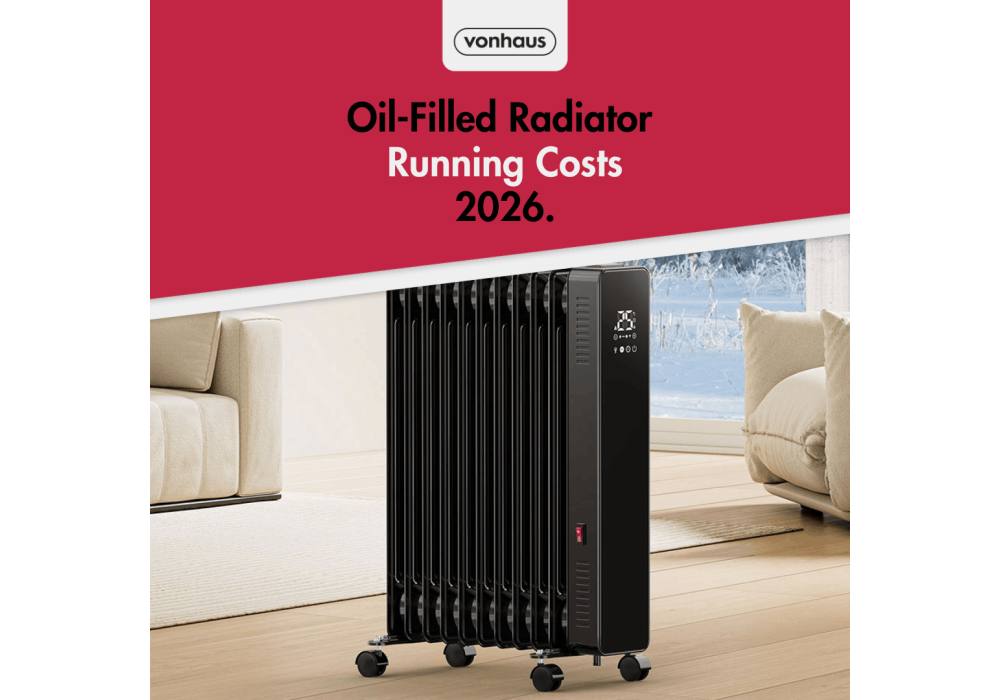
The takeaway isn’t that one system is universally cheaper – it’s that usage patterns matter. For accurate figures, our guide on oil-filled radiator running costs breaks down current UK electricity rates and usage scenarios.
Comfort and heat retention compared
Oil-filled radiators heat more slowly than central heating radiators, but they compensate by holding onto warmth for longer. This creates a steady, consistent heat that feels comfortable rather than intense.
Central heating warms rooms quickly, which is useful on cold mornings or when returning to a cold house. However, once switched off, rooms tend to cool faster, particularly in older or poorly insulated properties.
In well-insulated UK homes, oil-filled radiators can maintain a comfortable temperature with less frequent cycling, which helps keep energy use under control.
Safety, maintenance, and everyday use
Both heating options are safe when properly maintained, but they differ in responsibility.
Oil-filled radiators are sealed units with no exposed flames, fumes, or combustion. Contemporary models include overheat protection, tip-over cut-offs, and thermostatic controls, making them suitable for everyday use in family homes. There’s no servicing required beyond basic care, and Vonhaus offers a free 2-year warranty for peace of mind.
Central heating systems rely on regular servicing to remain safe and efficient, particularly gas boilers. While this is routine for most households, it is an ongoing consideration that doesn’t apply to plug-in electric heaters.
If safety is a concern, especially in bedrooms or homes with children or pets, oil-filled radiators offer peace of mind with minimal upkeep. For reassurance, our article, Can Oil-Filled Radiators Catch Fire?, addresses common concerns in detail.
Which heating option is right for you?
For many UK households, the most effective solution isn’t choosing one over the other, it’s using both strategically.
Central heating works best as a base layer for whole-home warmth. Oil-filled radiators excel as a supplement, allowing you to reduce central heating usage while staying comfortable in the rooms you actually use.
If you live alone, work from home, or occupy just a few rooms during the day, oil-filled radiators can significantly reduce heating costs. If you have a busy household with constant room usage, central heating may remain the backbone of your setup.
Here's a guide to help you choose the best heating solution for each room in your home:
|
Consideration |
Oil-Filled Radiators |
Central Heating |
|
Initial Costs |
Low (buying an oil heater) |
Very High (buying radiators, installation, ongoing maintenance)Low (buying an oil heater) |
|
Running Costs |
Low for single room heating |
High for whole-home heating |
|
Portability |
High - can be moved easily |
None |
|
Energy Efficiency |
High for small spaces |
Moderate - less efficient in small areas |
|
Heating Speed |
Slower, but retains warmth longer |
Fast |
|
Room |
Best for single rooms and small areas |
Ideal for whole-home heating |
|
Noise Level |
Silent |
Silent (although some systems hum) |
|
Safety |
High (modern safety features) |
High with regular maintenance |
FAQs
Is it cheaper to run an oil-filled radiator than central heating?
For heating one room at a time, yes – oil-filled radiators are often cheaper. Central heating becomes more cost-effective when heating multiple rooms for long periods.
Can oil-filled radiators replace central heating?
They work best as a supplement or alternative for targeted heating. Most homes still rely on central heating for whole-house warmth.
Are oil-filled radiators safe to leave on?
Modern oil heaters include safety cut-outs and thermostats, making them suitable for extended use when used correctly.
Making a smarter heating choice
Heating your home efficiently is all control. Oil-filled radiators give you the ability to heat selectively, reduce waste, and manage costs without sacrificing comfort. Central heating provides dependable, whole-home warmth when you need it most.
By understanding how each option fits into your daily routine, you can build a heating setup that’s warmer, more efficient, and better aligned with how you live.
If you’re exploring targeted, cost-effective heating, browse the Vonhaus range of oil-filled radiators or learn more about choosing the right heater for your space.