





 Need help?
What is Heater Wattage?
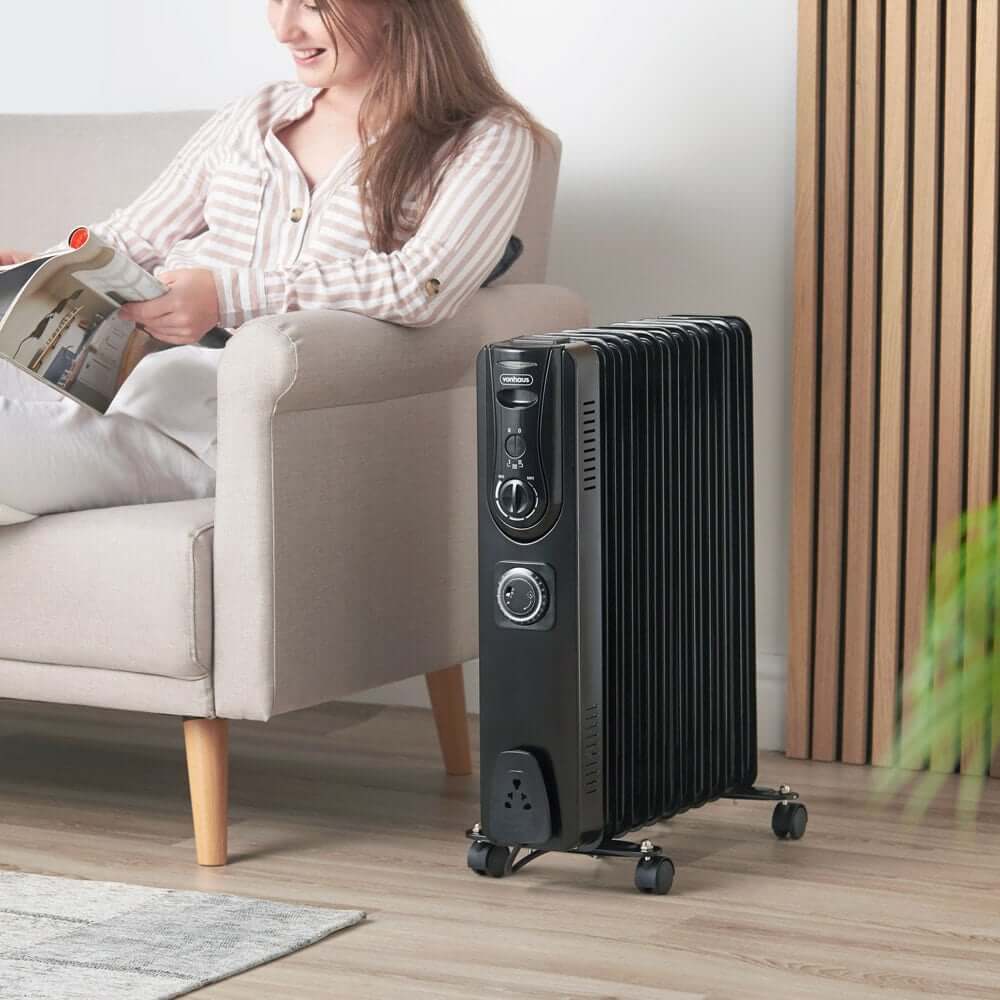
When the cold sets in, staying warm at home is a priority—but with energy bills rising, every degree matters. Enter heater wattage. You’ve probably seen wattage on the box when shopping for heaters, but what does it really mean?
In simple terms, wattage is the amount of power a heater uses to generate heat. The higher the wattage, the more heat—but that also means more energy consumption. And yes, that can lead to a bump in your electricity bills, which no one wants. So, understanding wattage is the key to staying cosy and energy-efficient this winter.
In this article, we’ll break down how heater wattage affects energy bills, and more importantly, what you can do about it. Let’s dive in.
How Heater Wattage Affects Energy Bills

We’ve all heard it: cranking up the heat can cause a spike in your electricity bill. But how does wattage play into this?
A heater’s wattage directly influences how much energy it uses. For example, a 1000-watt heater uses 1 kilowatt-hour (kWh) for every hour it’s running at full power. If your energy supplier charges 24.50p per kWh (the UK’s average from October 2024), that’s 24.50p an hour to run a 1000W heater. Let’s break it down further with a real-life scenario:
- A 1000W heater running for five hours a day will cost around £1.23 per day, or approximately £36.90 per month.
- A 2000W heater, running for the same amount of time, would double those costs, bringing your monthly total closer to £73.80.
As you can see, the higher the wattage, the higher the energy usage—and the higher your electricity bill. But it’s not all about cutting down on wattage to save money. The key is choosing the right wattage for your space to avoid wasting energy.
Choosing the Right Wattage for Your Needs
So, what wattage heater do I need? The answer depends on a few factors, including the size of the room you’re heating, the level of insulation, and how often you need the heater.
Room Size and Heater Wattage
As a rule of thumb, a well-insulated room requires around 100 watts per square metre for adequate heating. So, for a small room of 10m², a 1000W heater would do the job nicely. For a larger room of 20m², you’d need a 2000W heater to achieve the same level of warmth.
Here’s a quick guide:
- Small rooms (up to 10m²): 1000-1500W
- Medium rooms (10-20m²): 1500-2000W
- Large rooms (20-30m²): 2000W and above
Of course, if your home isn’t well insulated, you may need a higher wattage to compensate for heat loss. It’s worth thinking about insulating your home better to reduce the amount of energy your heater uses—more on that later.
Heating Requirements
Another key factor to consider is how often you’ll be using your heater. If it’s just for occasional use—like warming up your home office in the mornings—you might get away with a lower-wattage heater. But if you’re looking to keep a living room warm for a few hours during those Netflix marathons(!), you’ll want to invest in something with more power to maintain that cosy temperature.
Tips for Optimising Heater Efficiency
Now that you've got the right wattage, how can you make sure you're using your heater as efficiently as possible? Here are some top tips to help you save energy and keep your electricity bills in check.
Use a Thermostat
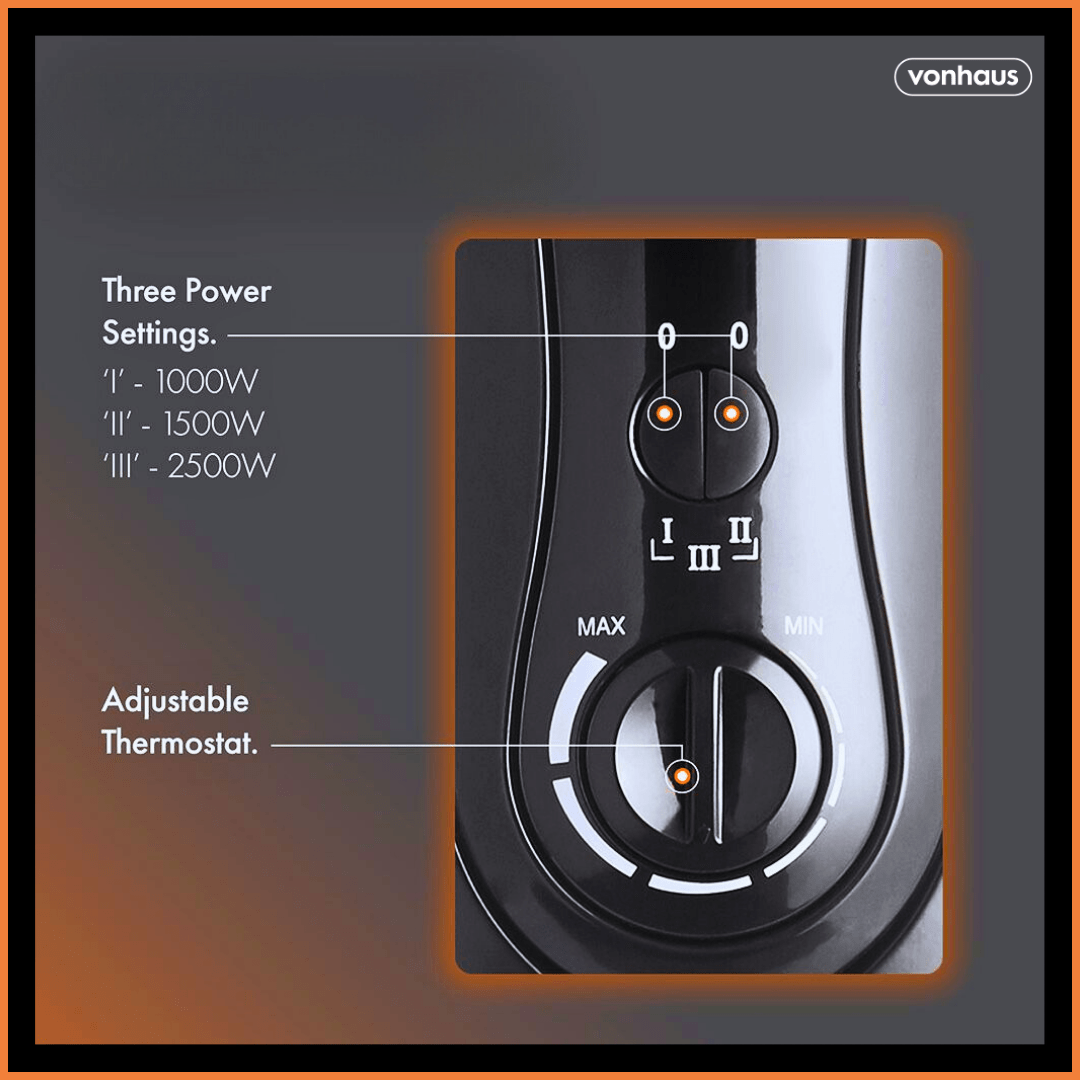
Many modern heaters come with built-in thermostats, enabling you to set your preferred tempearture and maintain it automatically. This prevents the heater from working overtime, reducing uneccessary energy use. Setting the thermostat to around 18-20°C is generally enough to keep most homes comfortable without wasting energy.
Don’t Overheat Your Space
It might be tempting to turn your heater up full blast when you first switch it on, but that’s rarely necessary. Gradually warming your space to the desired temperature is much more energy efficient. If you find that your heater’s output is too high, try lowering the wattage or turning it off for a while once the room reaches a comfortable temperature.
Maintain Your Heater
Keeping your heater in top condition will improve its efficiency. Dust and debris can clog air vents and make your heater work harder, so be sure to clean it regularly. And if you notice any strange noises or inconsistent heating, it might be time for a service or even a replacement.
These handy guides explain how to maintain your heater and fix it at home.
Improve Your Insulation
If you’re constantly cranking up the heat, it could be a sign that your home is losing warmth. Check your insulation—particularly around windows and doors—to ensure you’re not letting precious heat escape. Even simple fixes like draught excluders or thicker curtains can help trap warmth in and reduce the need for a high-wattage heater.
Key Takeaways
When it comes to heater wattage, the aim is to strike a balance between keeping your home warm and keeping your energy costs down. Here’s what you need to remember:
- Wattage determines power: The higher the wattage, the more heat your heater produces—but that also means more energy consumption.
- Room size matters: Choose the right wattage based on the size of the room you’re heating to avoid over or under-heating.
- Optimise for efficiency: Using a thermostat, improving insulation, and maintaining your heater are all simple ways to make sure you’re getting the most out of your device without wasting energy.
Cutting down on energy costs doesn’t mean sacrificing warmth (horray!). By understanding heater wattage and making informed choices, you can keep your home toasty and keep your energy bills in check. Want to learn more ways to save?
Check out our 6 Savvy Energy Savers to Heat Your Home for Less for practical tips, or browse our full range of heaters to find the perfect match for your home.