





 Need help?
Scarifiers vs Dethatchers vs Aerators: What's the Difference?
Ever stared at your lawn wondering, how on earth am I supposed to fix this? Us too. But once you wrap your head around all those gardening buzzwords – scarifiers, dethatchers, aerators – things quickly become clear (we promise!)
Essentially, each lawncare tool tackles a specific issue, and understanding which one you need (and when to use it) can elevate your lawn from tired and patchy to lush and vibrant.
Today, we’ll demystify the jargon, break down the differences between scarifiers, dethatchers and aerators, and get you back to enjoying your garden, stress-free!
What is a Scarifier?
Simply put, a scarifier removes moss and thatch – that tangled mess of dead grass and debris clogging your lawn’s surface. They use spinning blades to cut through the thatch layer, opening the lawn so air, water, and nutrients can reach grass roots.
It might seem drastic at first (your lawn can look rough immediately after!), but this deep-clean stimulates stronger, healthier grass regrowth. Scarifying regularly prevents your lawn from becoming moss-ridden and spongey underfoot.
When to Scarify Your Lawn
The best time for scarifying in the UK is early autumn (September/October) or mid-spring (March/April), when the grass grows enough to recover quickly.
VonHaus Scarifiers to Consider
A good scarifier takes the hard graft out of lawn care. The VonHaus 2-in-1 Lawn Scarifier & Aerator (1600W) gives you adjustable blade depths, effortlessly handling heavy moss removal or lighter dethatching – ideal for keeping your lawn healthy year-round.

Scarifying in action: our electric lawn scarifier pulls up a thick layer of moss and dead thatch from the turf. The piles of brown material on the lawn show how much debris was removed. This process prevents this build-up from suffocating your grass, allowing it to breathe and absorb nutrients better.
What is a Dethatcher?
Dethatching is essentially scarifying’s gentler sibling. Rather than aggressively cutting into soil, a dethatcher lightly rakes away surface debris. It’s perfect for lawns with moderate thatch, needing a quick tidy-up.
Regular dethatching ensures your grass can breathe, absorbing nutrients without completely stripping away the protective thin layer of thatch beneficial for moisture retention.
When to Dethatch Your Lawn
Like scarifying, dethatching is best done annually during spring or early autumn. Your lawn recovers quickly during these growing periods.
Scarifying vs. Dethatching: What’s the Difference?
- Scarifying is deeper, using blades to remove heavy thatch and moss build-up.
- Dethatching gently rakes away surface debris without disturbing soil.
Most gardeners will scarify deeply every year or two and dethatch lightly once per year to maintain a healthy balance.
What is an Aerator?
Aerators tackle soil compaction beneath your lawn. Over time, soil can become hard, blocking air, water, and nutrients from reaching grass roots, resulting in patchy, thin turf.
Aeration involves puncturing holes into your lawn, loosening the soil. This encourages deeper roots, better water drainage, and stronger grass growth. Aerators typically come in two forms:
- Spike Aerators: Puncture soil with solid spikes. Great for minor compaction.
- Core Aerators: Remove plugs of soil (cores). Better for heavily compacted lawns.
When to Aerate Your Lawn
Aim to aerate once a year, ideally in early autumn when grass actively grows, and soil conditions are moist but not waterlogged.
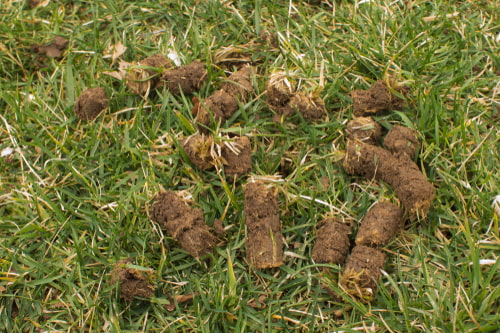
After core aeration, your lawn will be dotted with soil plugs (cores) like in the photo. These plugs can be left to dry and break down naturally, returning nutrients to the soil. The holes (about a centimetre or two wide and several cm deep) allow air, water, and fertiliser to reach deep into the root zone, helping alleviate compacted soil.
Scarifiers vs Dethatchers vs Aerators: Key Differences
|
Tool |
What it Does |
Best Used When |
|
Scarifier |
Cuts into the lawn surface with blades to remove thick thatch and moss (and lightly cuts the soil). |
Lawn has a heavy thatch layer or moss problem (feels spongy, thatch > ~1cm thick) causing blocked drainage. Use in spring/autumn for renovation. |
|
Dethatcher |
Gently rakes out thin thatch and debris from just above the soil surface using wire tines or spring blades. |
Lawn has light thatch buildup or mild winter debris. Use for routine annual maintenance to prevent thatch from becoming too thick. |
|
Aerator |
Punctures the soil by spiking or removing cores, relieving compaction and improving air/water flow to roots. |
Soil is compacted or poorly draining (hard soil, water pooling, thin grass roots). Use in autumn or spring to improve soil structure and root growth. |
As you can see, each tool targets a different aspect of lawn health. A scarifier/dethatcher works at the surface level (thatch and moss), while an aerator works below ground (soil density). If your lawn is plagued by a thick mat of dead grass and moss, it needs scarification/dethatching.
If the soil underneath is hard as a rock, it needs aeration. Sometimes a lawn will benefit from both – these techniques are complementary. Removing thatch with a scarifier can even help an aerator penetrate the soil better, and vice versa (aerating can speed up thatch breakdown). Next, we’ll look at how to identify when your lawn needs each treatment and how to use these tools effectively.
How to Identify Your Lawn’s Needs
Signs You Need Scarification/Dethatching:
- Your lawn feels spongey or bouncy.
- Thick moss layers visible.
- Rainwater pools on the surface.
Signs You Need Aeration:
- Soil feels rock-hard.
- Grass is patchy, thin, or struggles to grow despite watering.
- Water pools and doesn't drain.
If in doubt, a combination of dethatching (or scarifying) followed by aeration usually brings dramatic improvements.
How to Use a Scarifier or Dethatcher
-
Mow your lawn shorter than usual.
-
Adjust scarifier/dethatcher to suitable depth (light depth for dethatching; deeper for scarifying)
-
Pass over your lawn methodically in straight lines. Make a second pass perpendicular if needed.
-
Collect debris with a rake or use the integrated collection box in models like the VonHaus scarifier.
-
Overseed and fertilise your lawn to aid recovery and enhance regrowth.
Yes, your lawn may look rough initially, but within weeks you’ll see healthier, vibrant new grass emerging.
How to Aerate Your Lawn Effectively
- Ensure soil is moist but not waterlogged.
- Use a garden fork, spiked shoes, or mechanical aerator (for small lawns, a fork works great; larger lawns benefit from manual or mechanical core aerators).
- Push your tool into the ground evenly across the lawn, spacing holes roughly 10-15 cm apart.
- Consider applying top-dressing (sand/compost) to further improve soil structure.
- Overseed and feed your lawn afterwards, watering regularly for recovery.
Aeration won't produce dramatic immediate results, but you'll notice gradual, sustained improvements in grass thickness and health.
Which Lawn Tool is Right for You?

By now you might have a sense of what your lawn’s issue is. To recap, here’s a simple guide to choose between scarifying, dethatching, or aerating – or in many cases, doing both scarification and aeration for a one-two punch of lawn rejuvenation:
“My lawn is full of moss and feels spongy underfoot.”
This is a classic case of excessive thatch and moss. You’ll want to scarify (or dethatch) to remove the moss and thatch buildup. A powered scarifier like our 2-in-1 Scarifier Aerator (1600W) will make this job easy by pulling out all that debris. After scarifying, the lawn will likely also benefit from light aeration and overseeding, but the priority is to get that choking layer out.
“The grass just isn’t thriving; it looks yellow and patchy, even though I water and feed it.”
First, check the thatch – a layer thicker than ~1/2 inch could be blocking nutrients, so dethatching is in order. If thatch isn’t the issue or you’ve already removed it, then look at the soil: if it’s hard, aeration can address the root cause by loosening the soil so roots can grow and access nutrients better. Often a combination of dethatching and aerating is needed for a lawn that’s generally struggling.
“After rain, my lawn has puddles and stays squelchy for ages.”
This suggests poor drainage, which can be caused by thatch and/or compaction. Check for thatch first – if thick, scarify. If there’s not much thatch, the soil might be compacted or high in clay. Remedy this by aerating to open up drainage channels in the soil. In many cases you’ll do both: scarify to remove thatch, then aerate to improve the soil structure so water can flow down. Together these steps ensure rainwater penetrates the ground rather than sitting on top.
“Which should I do first – scarify or aerate?”
Typically, deal with the thatch layer first (scarify), then aerate afterwards if needed. Scarifying creates a bit of soil exposure and disturbance, which is actually perfect for aerating and then seeding. If you aerate first without removing heavy thatch, the aerator’s tines may not even reach the soil properly. So, if you have a thatch problem, tackle that, then aerate as the next step in your lawn care schedule.
“My lawn is pretty healthy overall; I just want to keep it that way.”
Great! Preventative maintenance is the way to go. Dethatch lightly once a year (a quick rake with a manual thatch rake or an electric scarifier on high setting) to catch debris before it piles up. And aerate every 1-2 years to keep the soil from compacting. Even using a garden fork on trouble spots is beneficial. Regular maintenance with these tools will save you from major renovations later.
Top Tips for Best Results
-
Start gently: Especially if you’re new to lawn care. Adjust scarifier depths conservatively at first.
-
Regular maintenance: Annual dethatching and periodic aeration are better than occasional heavy treatments.
-
Recovery time: Plan treatments when your grass can quickly recover (spring/autumn).
-
Stay consistent: Keep your lawn-care schedule regular, and you’ll notice sustained lawn health improvements.
For more expert tips, head to our dedicated lawncare hub.
Why Choose VonHaus Lawn Tools?
✔️ Reliable Performance: Engineered for UK lawns with powerful motors and adjustable settings.
✔️ Effortless Gardening: Designed for gardeners of all levels, making complex tasks straightforward.
✔️ Free Delivery & Warranty: Every VonHaus tool includes free UK delivery and a 2-year warranty, so you can garden with confidence.
✔️ Affordable Quality: Premium features without breaking the bank – because a lush lawn shouldn’t cost the earth.
Explore our full VonHaus Lawn Scarifier & Aerator Collection and find your ideal garden tool today.
Final Thoughts
Ultimately, scarifiers, dethatchers, and aerators each play a key role in keeping your lawn healthy and vibrant. Scarifying and dethatching manage surface-level problems, while aeration solves compaction below. Used together as part of regular lawn maintenance, these tools can transform your outdoor space from tired and patchy to lush and inviting.
Ready to revitalise your lawn? VonHaus has you covered with tools built to make gardening easier, quicker, and more enjoyable – so you can spend less time working on your lawn, and more time enjoying it.
Happy gardening!