





 Need help?
How and When to Scarify a Lawn (UK Guide)
Contents
- What is scarifying – and why it matters
- When to scarify a lawn in the UK
- Should you cut your grass short before scarifying?
- How to scarify a lawn (step-by-step)
- Will grass grow back after scarifying?
- Are lawn scarifiers worth it?
- Aftercare: recovery is where results happen
- Scarifying vs dethatching – what’s the difference?
- Final word on scarifying
Scarifying can look brutal.
You drag a machine across the lawn, pull out moss and dead material, and leave the surface looking thinner than before. It’s not subtle, and it doesn’t look gentle.
But done at the right time, scarifying is one of the most effective ways to restore lawn health in the UK. It improves drainage, strengthens root systems, and gives grass the space it needs to grow properly.
If your lawn feels spongy, struggles to recover, or seems permanently moss-prone, scarifying isn’t damage. It’s correction.
What Is Scarifying – and Why It Matters
Scarifying removes thatch: the layer of moss, dead grass, and organic debris sitting between the soil and the living blades above it.
A little thatch is normal. Too much becomes a barrier.
When that layer thickens:
- Water sits on the surface
- Nutrients fail to reach the roots
- Moss spreads
- The lawn feels soft underfoot
Scarifying cuts through that build-up and pulls it clear. The short-term impact can look dramatic. The long-term effect is stronger, healthier growth.
Many UK lawns don’t fail because they lack feed. They fail because the soil can’t breathe.
When to Scarify a Lawn in the UK
Timing determines lawn recovery.
Spring (Late March to Early May)
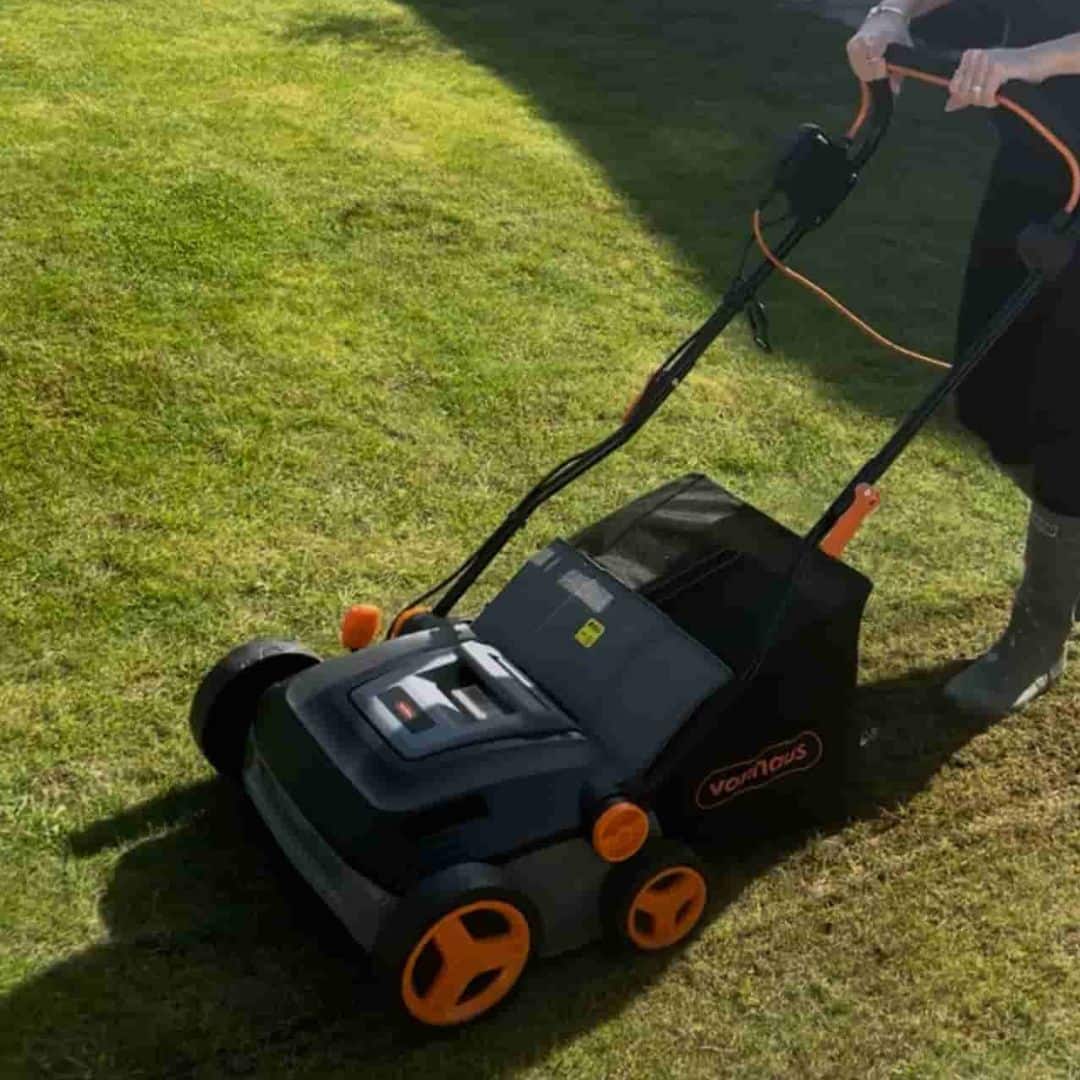
Spring is best for light scarifying. Focus on surface moss and shallow thatch once the grass is actively growing. Don’t go deep – you’re clearing space, not stripping the lawn back.
Autumn (Late August to October)
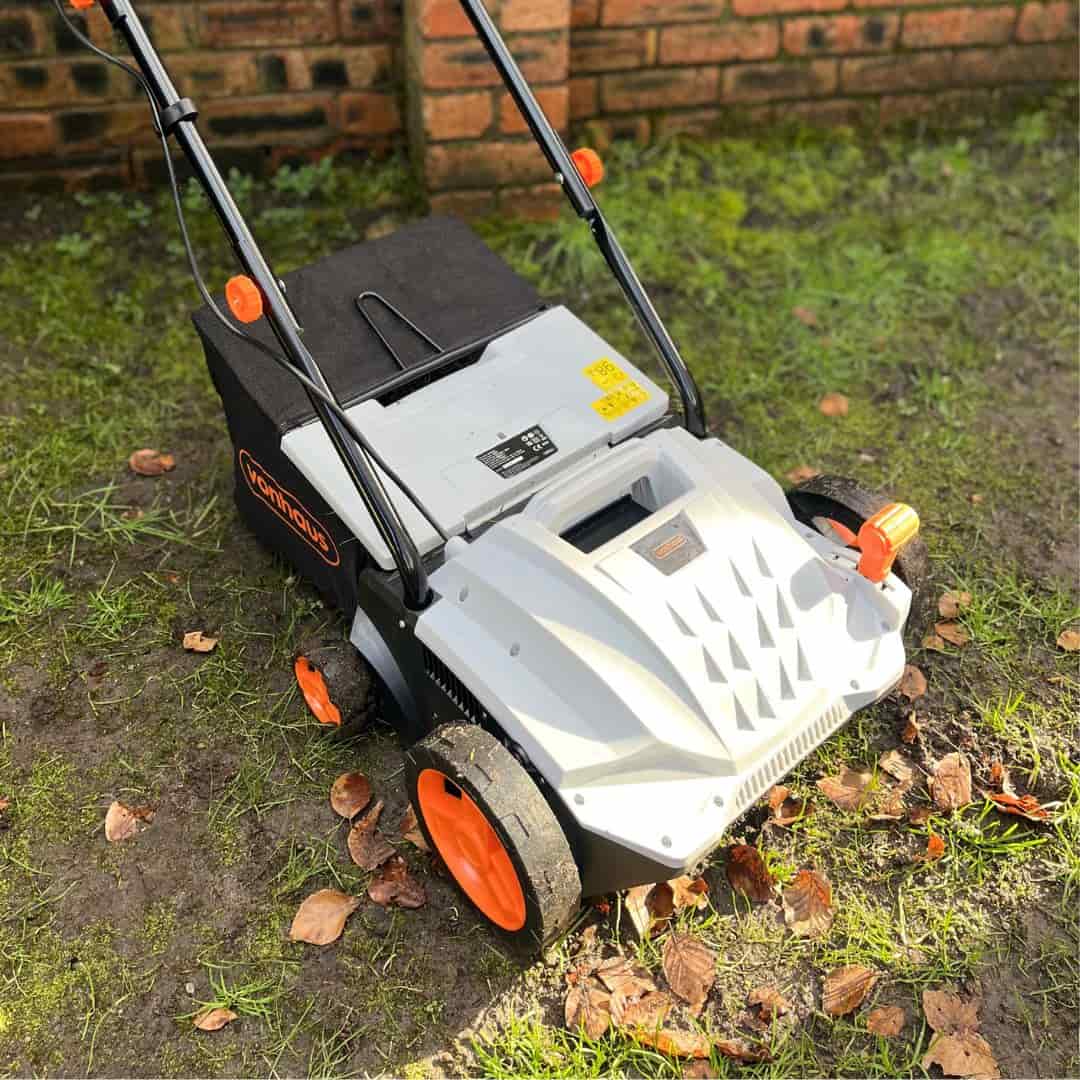
Autumn is the ideal window for deeper scarifying. Warm soil and steady rainfall create strong recovery conditions. If you need to tackle heavy build-up, autumn gives you the safest margin.
When Not to Scarify
Avoid summer drought and winter dormancy. Grass must be actively growing to repair itself.
If growth has stalled, wait.
Should You Cut Your Grass Short Before Scarifying?
Yes, and it makes a visible difference.
Mow one or two notches lower than usual one to two days beforehand. This exposes the thatch layer and allows the scarifier to work effectively.
Leave the grass long and the machine tears at blades instead of lifting debris.
A few practical rules:
- Collect clippings
- Avoid scalping in dry or cold conditions
- Don’t scarify immediately after mowing – allow slight recovery time
Preparation isn’t dramatic. It’s controlled.
How to Scarify a Lawn (Step-by-Step)
- Mow lower than usual and remove clippings.
- Scarify in straight, methodical passes.
- Repeat at a slight angle for even coverage.
- Rake up debris thoroughly.
- Apply feed and water to support regrowth.
Expect a surprising amount of material to come up, especially if it’s your first time.
The lawn may look thin. Don’t worry, it’s normal.
Will Grass Grow Back After Scarifying?
Yes, if you scarify at the right time and avoid excessive depth.
Grass grows from the crown at soil level. Scarifying removes surface obstruction; it doesn’t destroy healthy roots when done properly.
In spring or autumn, recovery usually begins within one to two weeks. Full thickening takes longer, depending on weather and soil condition.
Recovery slows when:
- Scarifying is done in winter
- Depth settings are too aggressive
- The lawn is already weak or drought-stressed
- If thin patches appear, overseeding accelerates repair.
Temporary disruption is part of the process. Long-term improvement is the point.
Are Lawn Scarifiers Worth It?
If moss keeps returning, drainage is poor, or the lawn feels compacted and lifeless – yes.
If your lawn is already healthy and drains well, probably not.
Scarifiers are corrective tools. They’re worth it when thatch is actively limiting growth.
For most UK gardens, an electric scarifier offers:
- Consistent working depth
- Even coverage
- Far less physical effort than raking
- Better long-term results
- Used every two to three years, they prevent deeper problems from forming.
If compaction is the issue rather than thatch, aeration may be more appropriate. The tool must match the problem.
Aftercare: Recovery Is Where Results Happen
Scarifying creates opportunity. Aftercare determines outcome.
After scarifying:
- Rake thoroughly
- Apply a balanced feed
- Overseed thin areas
- Water consistently
A light top dressing can improve seed contact and surface levelling.
Lawns recover best when scarified correctly, not aggressively.
Scarifying vs Dethatching – What’s the Difference?
Dethatching removes surface debris. Scarifying penetrates deeper and lightly disturbs the upper soil layer.
Many electric scarifiers combine both functions depending on drum and depth settings.
If drainage is poor and moss persistent, scarifying is typically more effective.
For a full comparison:
Final Word on Scarifying
Scarifying isn’t about chasing perfection. It’s about restoring balance.
When done at the right time, it:
- Improves airflow
- Encourages deeper rooting
- Reduces moss
- Strengthens recovery after stress
It may look harsh for a week or two. But lawns respond to space.
If yours feels tired, slow, or permanently mossy, scarifying is often the turning point.
Explore the Vonhaus range of electric scarifiers for a controlled, consistent way to do the job without the strain of manual raking.
FAQs about Scarifying
Should I mow before scarifying my lawn?
Yes. Cutting your grass short before scarifying helps the machine reach the thatch layer properly and reduces stress on the lawn. Mow slightly lower than usual one to two days beforehand and always collect clippings.
Can I scarify my lawn when it’s wet?
It’s best to scarify when the soil is moist but not waterlogged. Very wet ground increases the risk of root damage and clumping.
Do I need to scarify every year?
Not necessarily. Many lawns benefit every two to three years. Heavily mossed lawns may need annual scarifying.
Should I fertilise before or after scarifying?
After. Feeding post-scarification supports recovery and new growth.
Can I scarify with a regular garden rake?
A rake can help with light surface work, but it’s rarely effective for deeper thatch removal.