







 Need help?
Oil-Filled Radiators vs Electric Heaters: Which is Best for You?
Deciding on a heater shouldn’t feel like navigating a labyrinth of kilowatts and spec sheets. But if it does, this is the article you need. Whether you crave the consistent warmth of an oil-filled radiator or the instant gratification of an electric model, we’re here to break it all down.
Let’s dive in and discover which heater can keep you warm and cosy this winter — without burning a hole in your pocket.
Oil-Filled Radiators: Steady Heat, Lower Bills
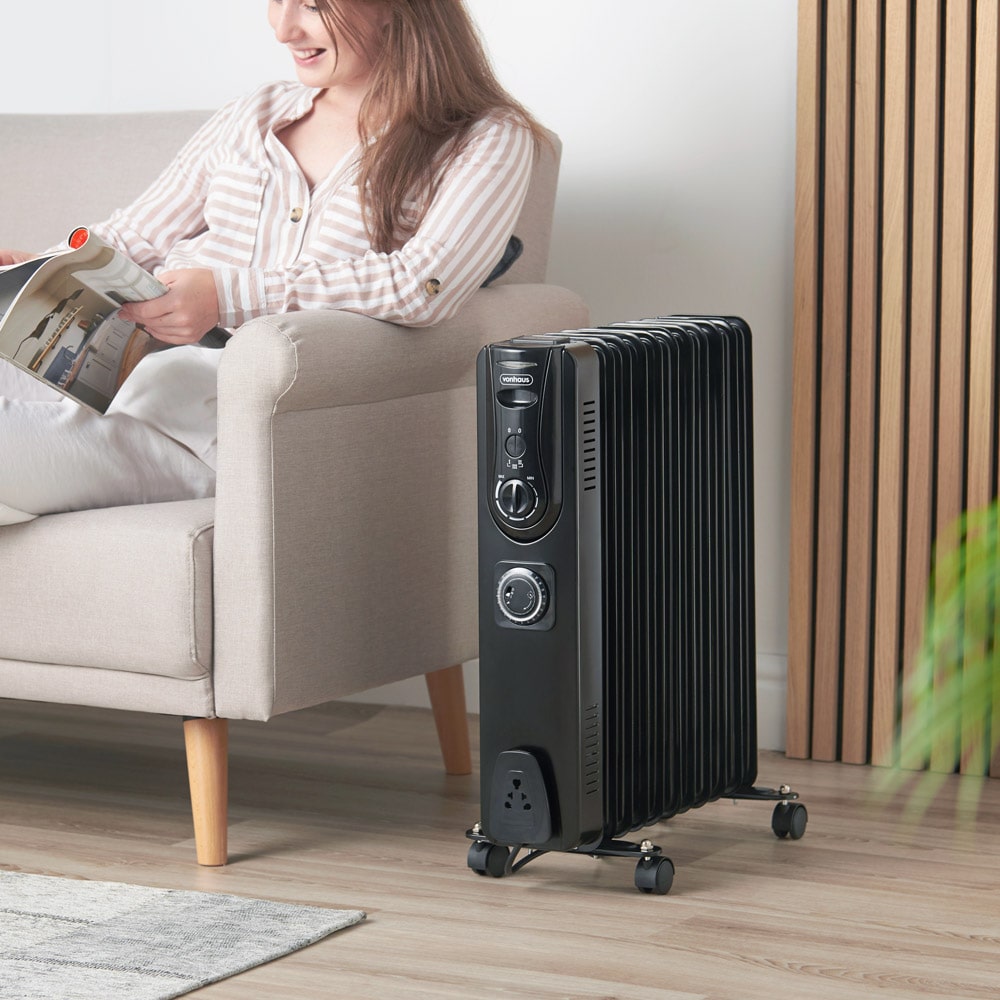
Think of oil-filled heaters as the slow-and-steady champions of the heating world. They warm up gradually, but once they get going, it’s like wrapping your whole room in a cosy blanket.
Here’s how they work: the unit heats the thermal oil inside, which radiates warmth evenly across your space. And the best part? Even after switching it off, that oil keeps the heat flowing, making it a smart choice for maintaining warmth without constantly guzzling electricity.
Why You’ll Love Them
- Energy Efficient: Oil-filled heaters keep rooms warm long after switching off, making them champs at saving energy.
- Consistent Comfort: No sudden blasts of hot air—just steady, soothing warmth that won’t dry out the air.
- Whisper-Quiet: Ideal for light sleepers or work-from-homers, these radiators operate in silence.
The Flip Side
- Slow to Warm Up: If you need heat on the double, these heaters might leave you waiting.
- Bulky Build: These heaters can be heavier, which isn’t great news if you need to move them around a lot.
- Not Ideal for Quick Warmth: Better suited for maintaining heat than providing an instant temperature boost.
When to Pick an Oil-Filled Heater
For large spaces like living rooms, bedrooms, or offices, oil-filled heaters are a stellar choice. They’re especially handy for overnight heating, thanks to their ability to radiate heat without draining extra power.
Electric Heaters: Heat on Demand
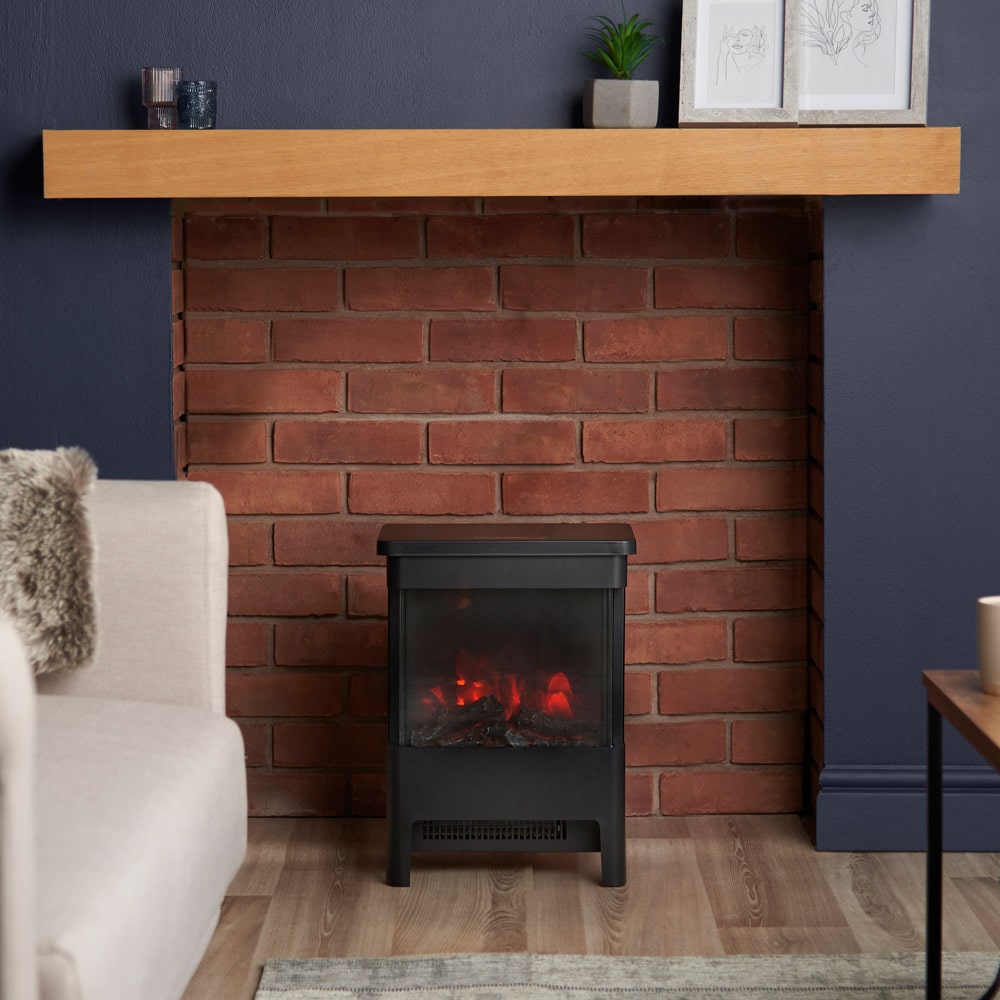
Electric heaters are the sprinters of the heating game. Flip the switch, and in seconds, you’ll feel the difference. Using electric resistance, they generate warmth that heats a room pronto. Some models come with fans to spread the heat, while others, like ceramic or infrared heaters, offer more direct warmth. If you need a heater that’s light, easy to move, and ready to go, electric heaters are a no-brainer.
Why they’re Awesome
- Quick to Heat: Perfect when you need warmth right away.
- Super Portable: Lightweight and easy to carry, great for moving from room to room.
- Versatile: From fan heaters to infrared models, there’s one for every heating need.
The Downsides
- Higher Running Costs: Their speedy warmth comes at a price—running them long-term can add up.
- Heat Fades Fast: Once off, the room cools quickly.
- Noise Levels: Fan models can hum or buzz, which might be distracting.
When to Pick an Electric Heater
Electric heaters shine in small spaces or for short-term heating. Perfect for quickly warming up a chilly kitchen, a small home office, or providing a burst of warmth on frosty mornings.
Oil-Filled vs Electric Heaters: A Snapshot Guide
To make it easier for you to decide, we’ve summarised the key differences in this handy comparison table:

Energy Efficiency: Which Heater Wins?
When it comes to energy use, oil-filled heaters take the crown. Thanks to their ability to retain heat and continue warming a room even after being switched off, they’re a solid choice for anyone aiming to save on energy bills. Electric heaters, while effective for rapid heating, can be more costly to run over long periods due to their continuous power consumption.
Learn more about cutting costs this winter with our expert toasty tactics and money-saving appliances.
Stay Safe While Staying Warm
No matter what type of heater you go with, remember to use it safely. Here are some tips to keep in mind:
- Keep a Safe Distance: Position heaters at least three feet away from flammable items.
- Never Cover the Heater: Draping clothes or towels over the heater can cause overheating – not good.
- Use on Flat, Stable Surfaces: Always place heaters on level ground to avoid tipping.
- Consider a Carbon Monoxide Detector: For gas heaters, it’s an absolute must.
- Look for Safety Features: Opt for models with overheat protection, tip-over switches, and cool-touch exteriors.
Make the Right Choice and Stay Warm this Winter
When choosing between oil-filled radiators and electric heaters, think about your needs: Do you want long-lasting, consistent warmth or quick, on-demand heat? For maintaining heat and saving on energy, oil-filled radiators are a smart choice. For rapid warmth in small spaces, an electric heater might be your best bet.
Explore our range of oil-filled radiators and electric heaters to find the best fit for your home. Stay cosy, stay safe, and cut your energy bills this winter with a VonHaus heater!
FAQs About Oil-Filled and Electric Heaters
Q. Which is more cost-effective?
A. Oil-filled heaters are a better bet for long-term savings due to heat retention. Electric heaters can be more expensive if used continuously.
Q. Can I leave an oil-filled radiator on overnight?
A. Yes, oil-filled radiators are safe for overnight use, thanks to their enclosed heating element and safety features like overheat protection.
Q. What’s better for large rooms?
A. Oil-filled heaters are ideal for larger rooms, while electric heaters are best for smaller spaces or targeted heating.
Q. Are electric heaters safe for bathrooms?
A. Yes, but only if designed for bathroom use and kept well away from water sources.


